
Get Healthy!
- Posted April 30, 2026
New Medical Guidelines Urge More Fiber, Less Bathroom Scrolling on Your Phone
On Wednesday, the American Gastroenterological Association (AGA) released updated guidelines aimed at modern bathroom habits and dietary trends that could be making hemorrhoids and constipation worse.
The message from doctors is clear: If you want to protect your posterior, you need to change how you eat and, perhaps more importantly, how you scroll.
The No. 1 strategy for preventing hemorrhoids is staying regular, which requires a significant amount of fiber. Nutrition experts recommend that men should target 38 grams of fiber daily, while women should aim for 25 grams. But most Americans aren’t getting enough.
The AGA’s new guidelines dovetail with updated U.S. Dietary Guidelines for Americans that emphasize protein at every meal and full fat dairy.
Gastroenterologists are hoping to avoid a trend where people focus so heavily on high-protein diets -- particularly those rich in red meat -- that they forget the roughage. Because meat contains zero fiber, these diets can lead to internal traffic jams and the straining that triggers hemorrhoid flare-ups.
“The protein isn’t the problem,” Dr. Trisha Pasricha, a gastroenterologist at Beth Israel Deaconess Medical Center in Boston, told NBC News. “It’s what you aren’t getting when you’re focusing on the protein.”
Added to meals, foods like beans, seeds, whole grains, fruits and vegetables provide the vitamins and fiber necessary to keep digestion moving smoothly.
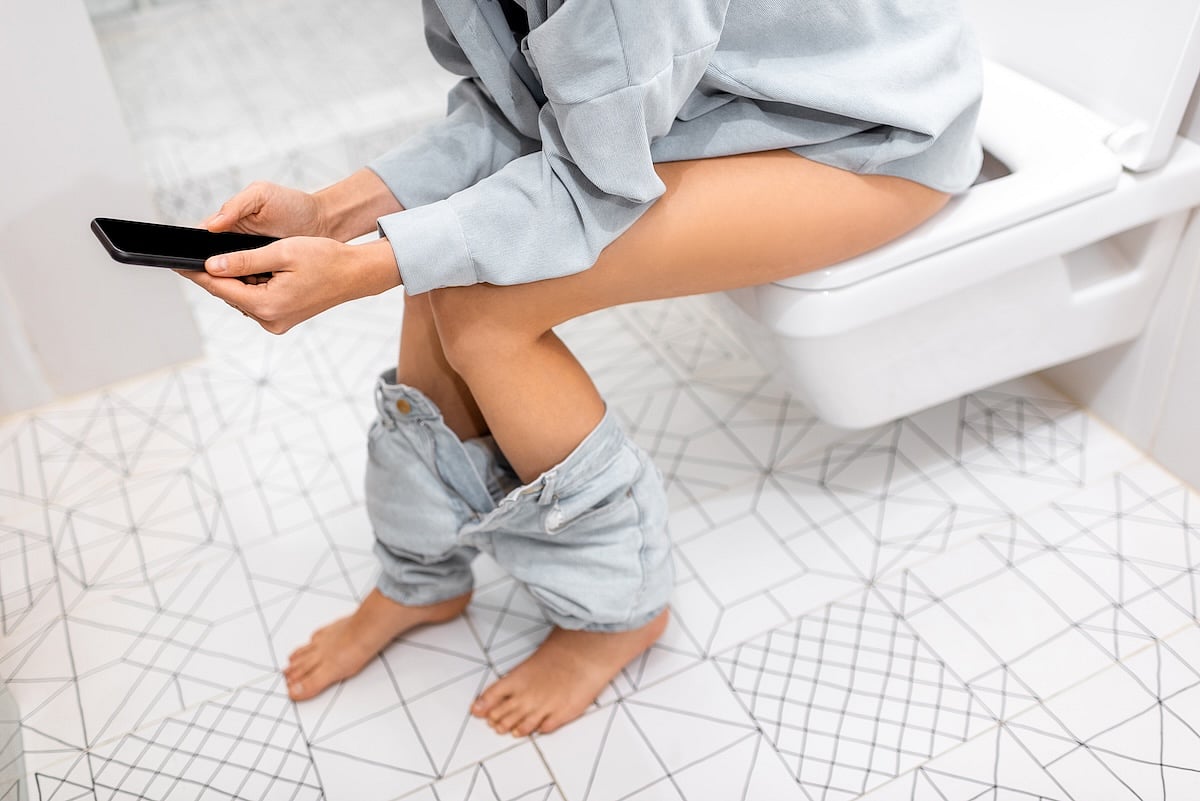
While diet is half the battle, behavior in the bathroom is the other. Many adults now use the restroom as a quiet place to catch up on emails or social media. This toilet scrolling is a major risk factor.
When you sit on a toilet seat, your bottom is unsupported, which allows gravity to increase blood pressure in the anal area.
“You shouldn’t sit on the toilet for more than five minutes,” Dr. Waqar Qureshi, a gastroenterologist at Baylor College of Medicine in Houston and co-author of the AGA guidelines, told NBC News. If you can't finish your business in that window, he said, you should get up and try again later rather than sitting and straining.
Additionally, Qureshi said that using a footstool or propping feet onto stacked books while on the toilet mimics a squatting position and could help to prevent straining.
If preventive measures fail, the new guidelines offer a roadmap for relief.
While over-the-counter creams, such as hydrocortisone, can help for a week or so, persistent hemorrhoids might require a quick office procedure called banding, or a coagulation method with heat and light, to shrink the tissue.
Sitting in hot water (called a sitz bath) is also mentioned in the updated guidelines to relieve discomfort, but evidence to support it is limited.
Most importantly, doctors urge anyone experiencing rectal bleeding not to assume it is just a hemorrhoid, as it could be a sign of colon cancer, which is on the rise among younger adults.
More information
Visit the National Institute of Diabetes and Digestive and Kidney Diseases for more information on current research and digestive health topics.
SOURCES: American Gastroenterological Association, clinical practice update, April 29, 2026; NBC News, April 29, 2026


